Seal, Strengthen, and Insulate with High-Performance Spray Foam
Spray foam insulation is one of the most advanced and effective insulation options available today — offering a unique combination of thermal resistance, air sealing, and moisture control in a single application. At 62 Insulation, we install both closed-cell and open-cell spray foam, helping homeowners and contractors across Central Kentucky build tighter, stronger, and more energy-efficient structures.
What Is Spray Foam Insulation?
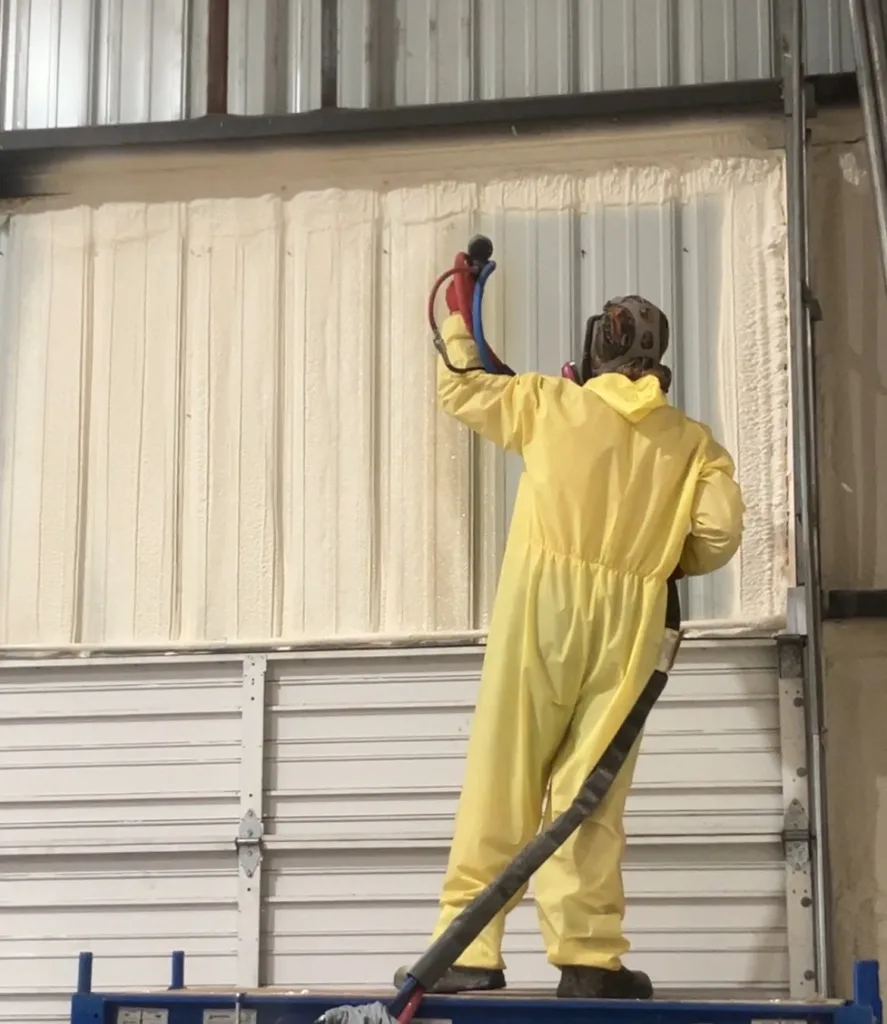
Spray foam is a two-part liquid system that expands on contact to fill gaps, cracks, and cavities. As it cures, it forms a solid, continuous barrier that insulates and seals simultaneously — outperforming traditional materials like fiberglass and cellulose in key areas such as air tightness and moisture resistance.
We offer two main types:
Closed-Cell Spray Foam
- Rigid and dense, ideal for exterior walls, crawl spaces, basements, metal buildings, and pole barns
- Acts as both an air barrier and a vapor barrier
- Adds structural strength to walls and roof assemblies
- Higher R-value: approx. R-6.5 to R-7 per inch
Open-Cell Spray Foam
- Soft and flexible, best for interior walls, ceilings, and sound-dampening applications
- Excellent at air sealing but allows for vapor permeability, reducing risk of trapped moisture
- More affordable per inch than closed-cell
- R-value: approx. R-3.5 to R-4 per inch
Key Benefits of Spray Foam Insulation
✅ Air Sealing in One Step
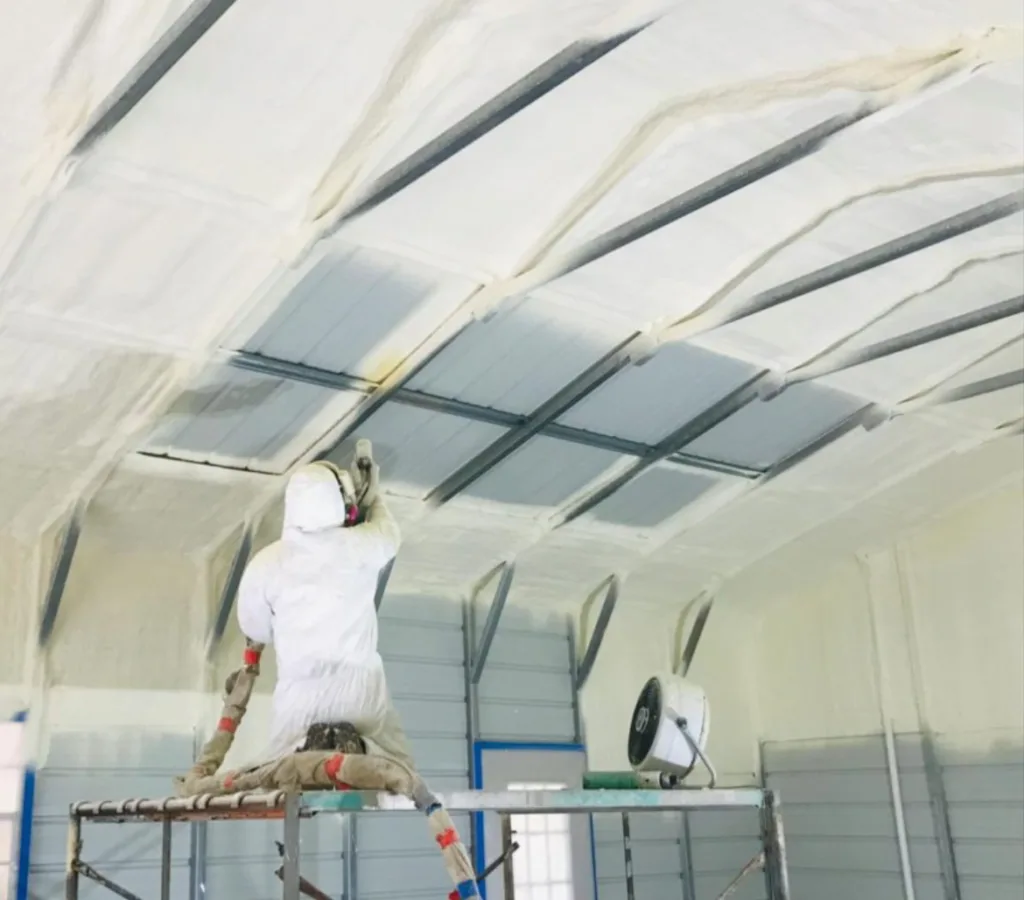
- Expands to seal every gap, crack, and seam — reducing unwanted airflow and drafts
- Lowers HVAC load and improves overall energy efficiency
✅ Exceptional R-Value
- Delivers higher R-value per inch than traditional materials, meaning better performance in tight spaces
✅ Moisture Control
- Closed-cell foam resists water and moisture intrusion
- Helps prevent mold, mildew, and condensation — especially in crawl spaces and basements
✅ Structural Support
- Closed-cell foam adds rigidity and strength to framing and sheathing
✅ Long-Term Durability
- Doesn’t settle, sag, or degrade over time
- Maintains consistent performance for the life of the building
✅ Noise Reduction
- Open-cell foam absorbs sound between walls and floors for quieter living and working environments
✅ Improves Indoor Air Quality
- Limits dust, allergens, and outdoor pollutants from entering through gaps and cracks
Where We Use Spray Foam
🏡 Attics & Rooflines (conditioned or unvented spaces)
🧱 Crawl Spaces & Rim Joists
🛠️ New Construction Walls & Ceilings
🏢 Commercial Metal Buildings & Shops
🚪 Around doors, windows, and HVAC penetrations
🚧 Retrofits & Energy-Efficiency Upgrades
Why Choose 62 Insulation for Spray Foam?
We’re experienced, certified spray foam installers with a deep understanding of building science. Our team:
- Selects the right foam for your project goals and budget
- Applies to proper thickness, density, and coverage
- Follows all safety and building code requirements
- Coordinates with HVAC and ventilation to prevent over-sealing
Ready to seal in comfort and seal out waste?
Spray foam insulation from 62 Insulation is a long-term investment in your home or building’s energy performance, durability, and comfort.